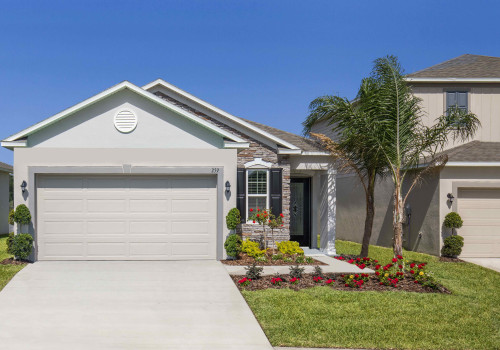
House flipping is a real estate investment strategy that involves purchasing a property, renovating it to improve its value, and selling it for a profit. The renovation stage is often the most visible part of the process, where investors focus on repairing structural issues, modernizing interiors, and improving the overall appeal of the home. Common upgrades include updating kitchens and bathrooms, installing new flooring, repainting walls, and enhancing lighting to create a more inviting environment. These improvements are designed to make the property attractive to potential buyers while also increasing its market value. Careful budgeting and planning during this phase help ensure that renovation costs do not exceed the potential return on investment.
Preparing the Property for Sale
Once renovations are complete, the focus shifts toward preparing the property for the market. Investors often take steps to ensure that the home looks clean, welcoming, and ready for new owners. This stage may involve professional cleaning, home staging, and high-quality photography for online listings. A well-presented property helps buyers imagine themselves living in the space, which can increase interest and encourage competitive offers. Investors typically work with real estate agents to determine a competitive listing price based on comparable properties in the area. Marketing strategies such as open houses, virtual tours, and targeted advertising can help generate attention and attract qualified buyers.
Managing the Transaction Process
After a buyer submits an offer, the transaction process begins. This stage includes negotiating terms, completing inspections, and ensuring that all necessary documents are prepared for closing. Buyers may request inspections to verify that the property is in good condition after renovations. If any issues are discovered, the investor may need to address repairs or negotiate adjustments before finalizing the sale. Successful house flippers understand the importance of staying organized during this stage, as delays or misunderstandings can impact the closing timeline. Clear communication with real estate professionals, inspectors, and buyers helps keep the transaction moving forward smoothly.
Coordinating the Move After the Sale
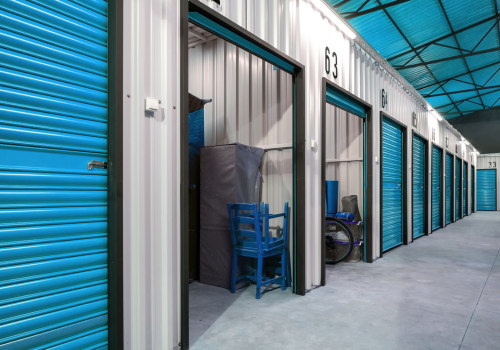
Although investors typically do not live in the homes they flip, the final stage of the process still involves relocation logistics. Furniture used for staging must be removed, construction materials and tools must be cleared from the property, and the home must be prepared for the new owners. This step ensures that the property is completely ready for its next chapter. In some cases, investors rely on professional services to help transport staging furniture or remaining equipment efficiently. During this phase, they may explore services such as Mountain Movers, which represent the type of relocation support that can assist with removing furnishings and preparing the property for turnover.
Finalizing the Flip and Moving Forward
The closing of a flipped property represents the final step in the investment cycle. Once the sale is completed and ownership transfers to the buyer, the investor can evaluate the success of the project and begin planning the next opportunity. Effective planning, quality renovations, and organized property preparation all contribute to a successful flip. By carefully managing each stage—from renovation and marketing to relocation logistics—investors can streamline the process and maintain momentum for future projects. This structured approach allows them to turn distressed or outdated properties into desirable homes while continuing to grow their real estate investment portfolio.